
Funeral Etiquette for Visits and Services
HONORING LIFE
Funeral Etiquette
Most people feel uncertain about what to say or do when someone dies. That is completely normal. Here is a plain language guide to help you show up with confidence.
When Should I Visit?
If you want to offer support before the service, small gestures matter more than you might think. Bringing food, helping with errands, watching children, or simply stopping by to sit with the family can mean a great deal. The visitation at the funeral home is usually the most natural place to pay your respects and offer condolences directly to the family.
What should I say?
Less is more. You do not need the perfect words. "I am so sorry" and "I loved him" and "She meant so much to our family" are enough. What matters is that you showed up and said something sincere.
Try to avoid phrases like "everything happens for a reason" or "they are in a better place." Even when well intentioned, those phrases can land badly. Stick to what is true and simple.
Where should I sit?
The first few rows are generally reserved for immediate family. If you are not a family member, find a seat behind the reserved section. If you are unsure, a staff member will be happy to help.
What should I do during the service?
Arrive on time. Enter quietly. Silence your phone before you walk in. If you need to take a call, step outside.
At a visitation, take a moment to speak with the family before finding your seat. Keep it brief — there are usually others waiting and the family is managing a great deal.
Should I bring my children?
It depends on the child, their relationship to the person who died, and your read on how they will handle it. There is no wrong answer. If you do bring them, a brief conversation beforehand about what to expect goes a long way.
What should I give?
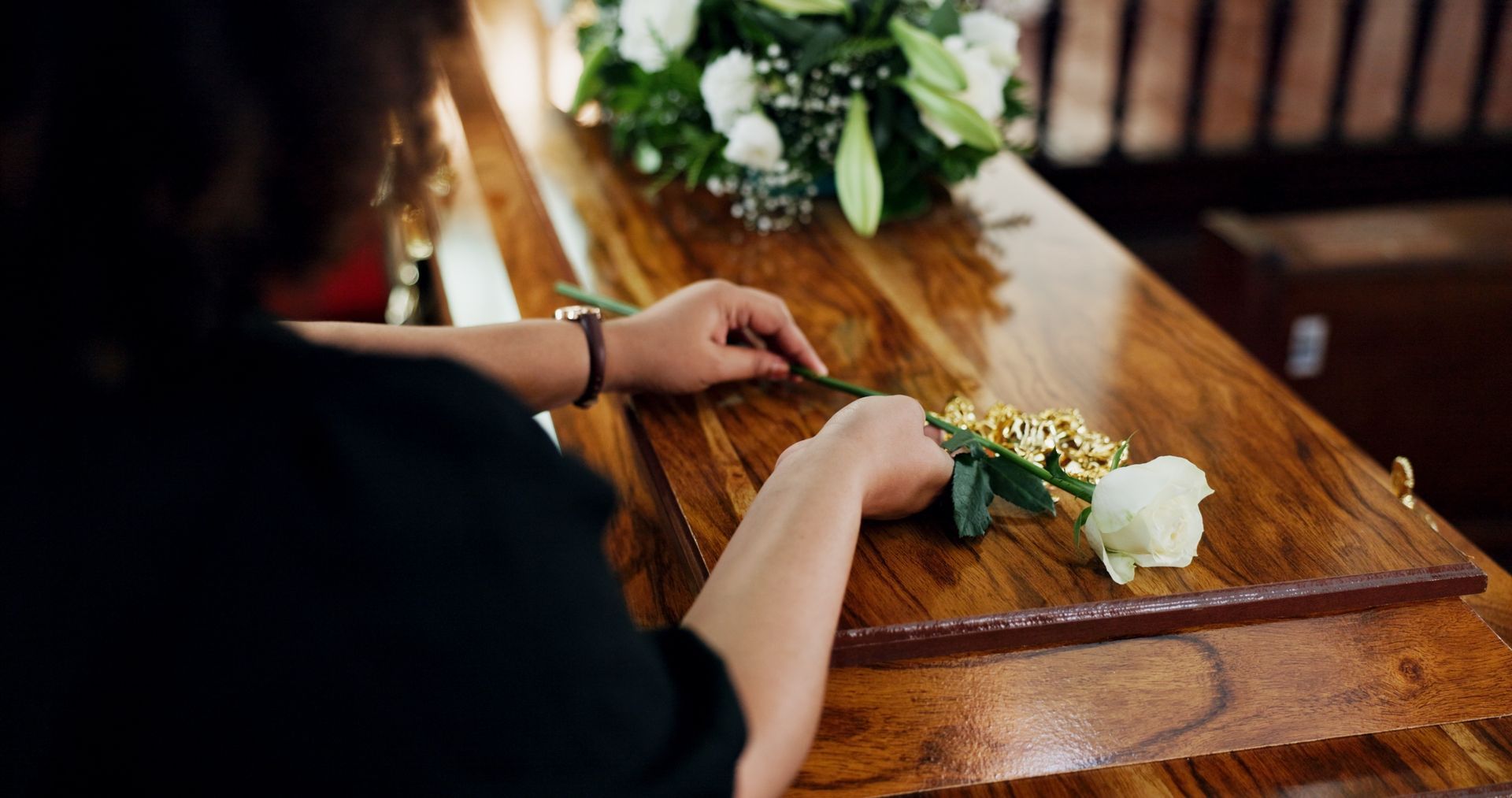
Flowers sent to the funeral home or the family's home are always appropriate. If the family has requested donations to a charity in lieu of flowers, honor that request.
Food is one of the most practical gifts you can give a grieving family in the days that follow. A sympathy card is always welcome and there is no deadline on sending one. Reaching out weeks later, when the immediate support has faded, can mean just as much.