Choosing cremation does not mean leaving meaningful family traditions behind. Families comparing
funeral homes in Schofield, WI can still consider the customs, beliefs, music, stories, and rituals that have shaped important moments in their family. At John J. Buettgen Funeral Home, we believe the conversation should begin with what matters to the family and the person being remembered, rather than assumptions about what a cremation arrangement should look like.
Traditions can take many forms. Some are rooted in religious or cultural practices, while others are unique to a particular family. A familiar prayer, treasured song, shared meal, reading, or gathering may hold meaning across generations. Cremation is a form of final disposition, while the ways people gather, remember, and honor a life can be considered separately.
Cremation and Memorialization Are Different Decisions
One helpful distinction during planning is that choosing cremation does not automatically determine how a family will remember their loved one. Final disposition is one decision. Gatherings, ceremonies, visitations, and other forms of remembrance are related choices that can be discussed based on a family’s wishes.
Families can begin by consideringcremation and other available service choices before deciding which personal elements they would like to include. Separating these decisions can make planning feel more manageable, especially when several relatives are involved.
A common misunderstanding is that cremation necessarily means having a very simple farewell or no gathering at all. Instead of starting with that assumption, families can first identify which traditions matter and then discuss how those traditions might fit their arrangements.
Family Traditions Can Take Many Forms
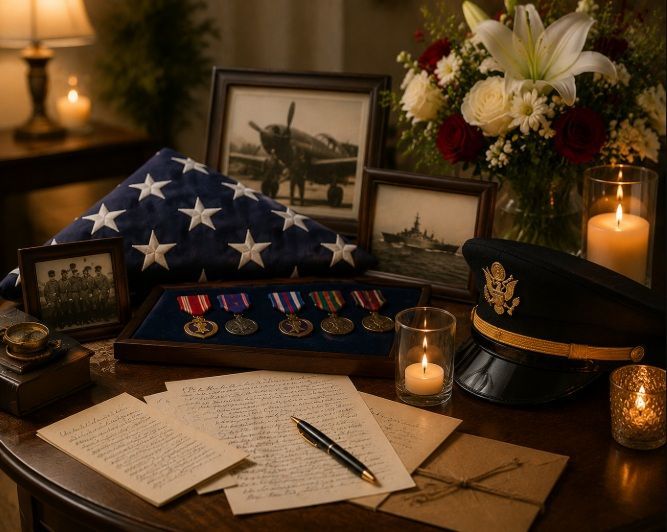
Tradition does not always mean following a formal ceremony exactly as previous generations did. It can be as simple as playing a particular piece of music, gathering relatives, sharing stories, displaying photographs, offering a prayer, or reading words that have special meaning within the family.
For example, a family that has always valued music might select songs connected to important memories. Another may want several generations to participate through readings or storytelling. Families whose customs are closely connected to faith or culture can identify which practices they want represented and discuss those preferences during planning.
Our article onpersonalizing cremation around memories and family values offers another perspective on how individual details can help a farewell feel connected to the person being remembered.
Ask Which Traditions Matter Most
When several customs matter, families may find it helpful to identify the ones with the strongest meaning. This can prevent planning from becoming a matter of including traditions simply because they have always been used.
A short family conversation can begin with a few questions:
●
Which customs would our loved one recognize as important?
●
Are there religious or cultural practices we want to preserve?
●
Which songs, readings, prayers, or stories feel most personal?
●
Who would like to participate in the gathering?
●
Are there traditions we want younger generations to experience?
●
Did our loved one ever express preferences about cremation or remembrance?
These questions create a practical decision framework. They also allow relatives to explain why a tradition matters, which can be especially useful when family members have different expectations.
Traditions Can Evolve Without Losing Their Meaning
Families sometimes worry that changing a familiar custom will make it less meaningful. In practice, traditions often evolve as families grow, generations change, and people bring different religious, cultural, or personal perspectives into the family.
The purpose behind a tradition can be more important than reproducing every detail exactly. A family accustomed to a particular gathering, for instance, may preserve its emphasis on togetherness while adapting how or when people come together.
This can be particularly relevant for families with more than one cultural or religious background. Rather than assuming that one approach should take priority, families can discuss which customs genuinely reflect the person’s life and relationships. Flexible payment options can also be part of the planning conversation when practical considerations need to be addressed alongside personal preferences.
Record Important Wishes Before They Are Needed
One frequently overlooked part of preserving family traditions is simply talking about them in advance. Relatives may know that a particular custom has always been followed without knowing whether an individual personally wanted it included in their own arrangements.
Writing down preferences can give family members clearer guidance later. These notes might identify preferred music, religious observances, meaningful readings, people someone would like involved, or traditions they especially want continued.
Advance conversations can also reveal preferences relatives might otherwise never know. Someone may value one family custom deeply while feeling less attached to another. Recording those distinctions helps preserve the traditions that carry personal meaning rather than relying solely on assumptions.
Keep the Meaning at the Center of the Farewell
Cremation can leave room for the traditions that connect generations, faiths, cultures, and personal memories. What matters is understanding why a custom is important and deciding how it belongs in the farewell. Families do not need to include every tradition to create something meaningful. A few familiar elements can sometimes say the most.
Questions about funeral homes in Schofield, WI often begin with practical concerns, but they can also open valuable conversations about what a family wants to preserve. At
(715) 359-2828, John J. Buettgen Funeral Home can talk with you about those traditions and the wishes behind them. Families thinking ahead may also find ourresources for recording meaningful planning preferences useful as those conversations take shape.