When people gather after a death, stories often surface naturally. Someone remembers a favorite saying, another recalls a family vacation, and a small everyday memory suddenly has everyone nodding in recognition. Families considering
funeral homes in Schofield, WI can make room for these moments as part of a meaningful farewell. At John J. Buettgen Funeral Home, we see personal stories as a way for families to reflect the relationships and experiences that shaped a loved one’s life.
Sharing memories does not require a polished speech or a dramatic story. A few sentences about Sunday dinners, a familiar joke, a favorite hobby, or something a grandparent always said can feel just as meaningful. Different generations may also remember different sides of the same person. Bringing those memories together can create a fuller picture while giving relatives and friends natural ways to participate.
Everyday Memories Can Reveal a Person’s Character
The stories families remember most are not always tied to major milestones. Ordinary moments can reveal humor, generosity, patience, determination, faith, or other qualities people associate with their loved one. These details can help a funeral or memorial gathering feel connected to a real person, not a general description of their life.
Families can start by asking simple questions: What always made this person laugh? What did they do every weekend? What did grandchildren look forward to when visiting? Which family tradition would feel incomplete without them?
The answers may lead to stories worth sharing during a service. They may also suggest music, photographs, readings, or keepsakes that carry a personal connection.
Different Generations Often Remember Different Stories
A spouse, sibling, child, grandchild, coworker, and longtime friend may each have known a different side of the same person. Bringing several perspectives together can reveal experiences other relatives have never heard.
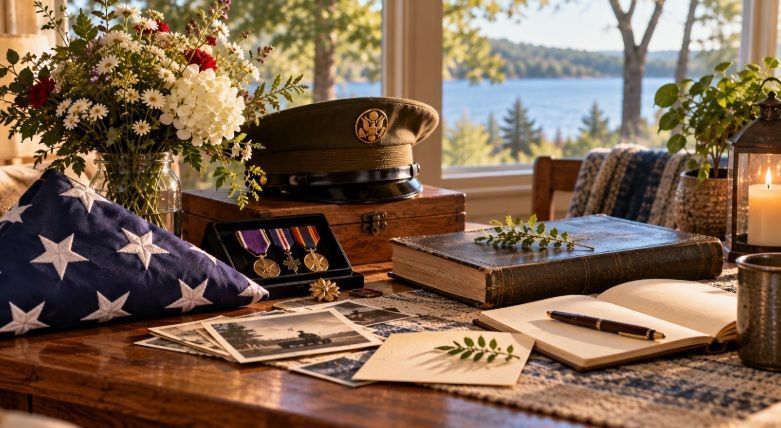
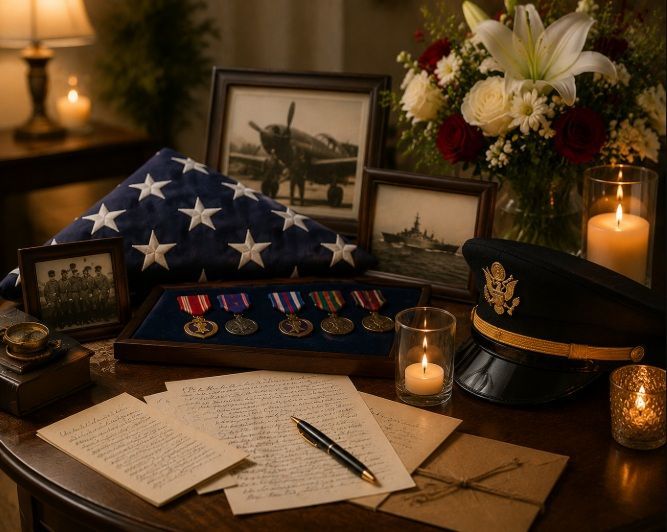
This can be especially meaningful when younger family members know little about earlier chapters of a loved one’s life. A story about a first job, military service, courtship, family tradition, or long-ago adventure may give them a connection to family history they hadn't understood before.
Families interested in creating that kind of personal remembrance may appreciate our ideas for celebrating the details that made a life unique. The goal is not to tell every story, but to choose memories that genuinely sound like the person everyone came to remember.
Stories Can Become Part of the Service Naturally
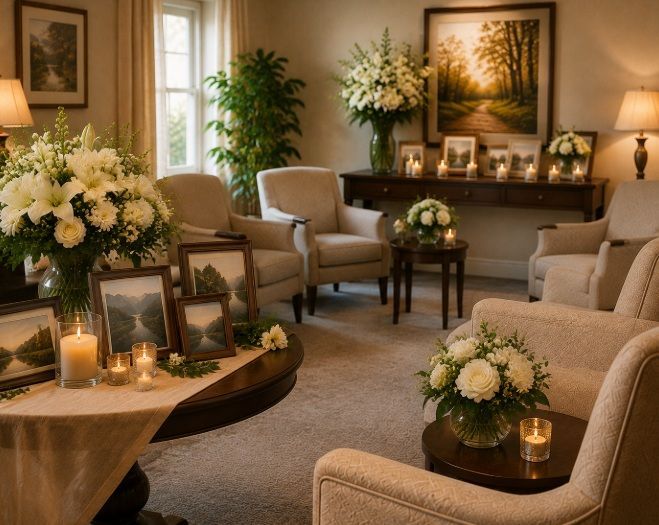
There are many ways to include memories without turning a funeral service into a series of formal speeches. One person might share a brief story aloud, while another contributes a written memory. Photographs, music, readings, and meaningful belongings can also introduce stories without requiring someone to speak.
Families exploring
service choices that allow meaningful personal participation can think about which approach feels comfortable for the people involved. Some families enjoy open storytelling, while others prefer a few planned speakers or quieter forms of participation.
A common mistake is assuming every contribution needs to be serious. Respectful stories can include humor when humor was part of the person’s character. A familiar, affectionate memory may help the gathering sound more like the conversations family members actually shared with their loved one.
Collecting Memories Before the Gathering Can Help
Waiting until the service to think of stories can place unnecessary pressure on family members. Collecting memories beforehand gives people time to remember details and decide what they would feel comfortable sharing.
One simple approach is to ask relatives and close friends to contribute one short memory. Families can then look for recurring themes, such as generosity, family traditions, humor, work ethic, faith, travel, or community involvement. Those themes may help guide other decisions about the gathering.
An often-overlooked idea is preserving some of these stories for later. Written memories, recorded family recollections, or notes placed with photographs can become part of the family’s history. People who can't attend may also appreciate a way to contribute a memory from a distance.
Family Traditions Can Give Stories Deeper Context
Stories often make more sense when they are connected to the traditions surrounding them. A favorite holiday memory may explain why a particular recipe matters. A childhood story may reveal the importance of a cultural custom, religious observance, or annual family gathering.
Families do not need to treat every tradition the same way. Some may want faith to remain central to the service, while others may focus more on family history and relationships. When several cultural or religious backgrounds are represented, listening to the meaning behind each tradition can help families make thoughtful choices.
Practical planning can happen alongside these conversations. Families can ask about flexible payment options as they discuss arrangements, so they can address practical questions without losing sight of the memories and traditions they want the farewell to reflect.
Let the Stories Sound Like the Person You Remember
The stories that stay with families are often surprisingly simple. They may be about a favorite meal, an annual trip, a lesson passed from parent to child, or a phrase everyone can still hear in the person’s voice. You don't need to make those memories sound more impressive than they were. Their value comes from their familiarity and their connection to the relationships behind them.
For those considering funeral homes in Schofield, WI, John J. Buettgen Funeral Home welcomes conversations that begin with these personal memories. You can reach us at
(715) 359-2828 when you are ready to talk about how stories might become part of the farewell. Families may also find our
grief resources for navigating loss as a family helpful as they spend time remembering together.