Losing a beloved pet can change the rhythm of everyday life. The quiet where a familiar sound used to be, an empty favorite spot, or a daily routine that suddenly feels different can carry powerful memories. Families looking at
funeral homes in Rothschild, WI may also be thinking about how to remember an animal companion with the same care they bring to other meaningful family experiences. At John J. Buettgen Funeral Home, we recognize that pets can hold an important place in a household.
There is no single way a family needs to acknowledge the loss of a pet. Some people prefer a private moment of remembrance, while others want relatives or friends to share stories. Children may want to draw pictures or write notes. What feels appropriate depends on the relationship, the household, and the traditions or beliefs that are meaningful to those involved.
What Makes a Pet Memorial Feel Personal?
A personal pet memorial reflects the relationship a family actually shared with its companion. Rather than trying to make the remembrance formal, families can focus on ordinary details that made the pet memorable, such as a favorite sleeping place, an unusual habit, a well-loved toy, or the routines everyone came to expect.
One practical way to begin is to think about three things: what made the pet distinctive, which memories family members mention most often, and what kind of remembrance would feel comfortable in the home.
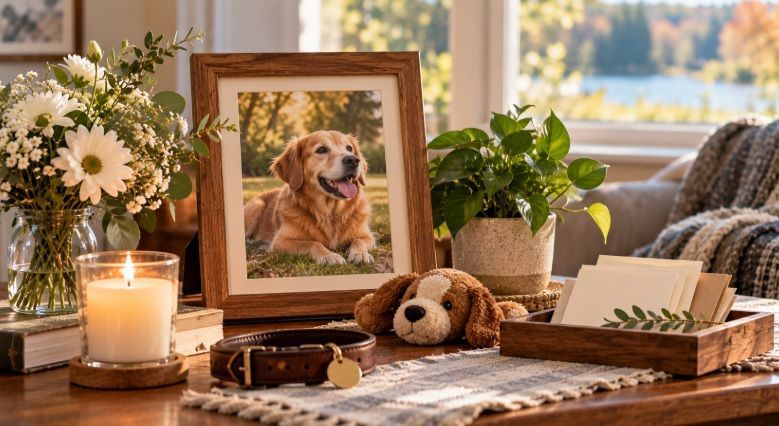
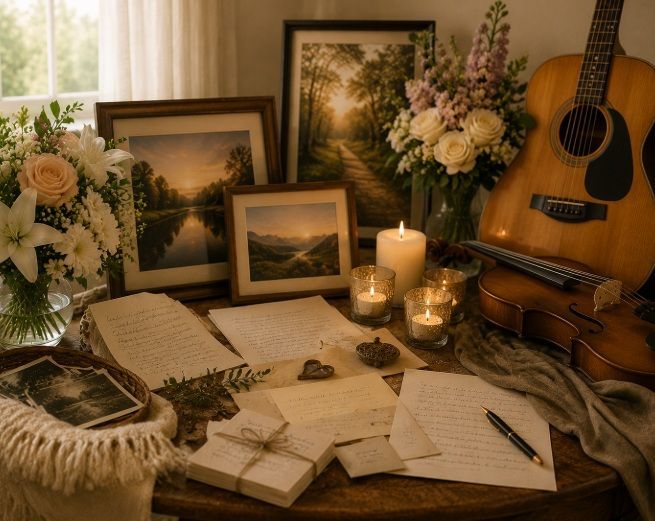
A memorial does not need many elements. A favorite photograph beside a collar, a handwritten memory, or a small collection of familiar belongings can be enough. The significance comes from the connection those objects hold for the people who remember them.
What Are Some Meaningful Ways to Remember a Pet?
Families often find that simple acts of remembrance feel the most natural. The goal is not to follow a checklist but to choose something that reflects the pet’s place in everyday family life. For households considering aftercare, information aboutpet cremation options available for family companions can also help clarify the choices that are available.
A few ideas families might consider include:
●
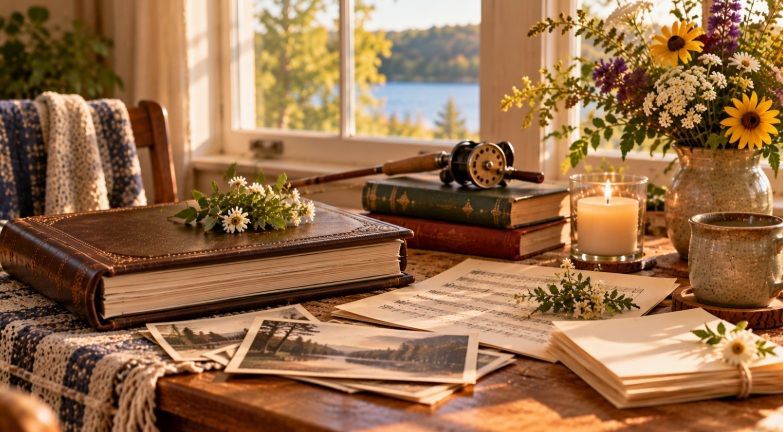
Creating a small photo album of favorite moments
●
Writing down funny habits and memorable stories
●
Framing a favorite photograph
●
Keeping a collar, tag, or favorite toy in a memory box
●
Planting flowers or a tree in a meaningful place
●
Inviting family members to share a favorite memory
●
Helping children create drawings or handwritten notes
A common mistake is feeling that a memorial must be elaborate to matter. A small gesture tied to a real memory can feel far more personal than something chosen simply because it seems traditional.
How Can Shared Stories Preserve Everyday Memories?
Stories often preserve details that photographs cannot. Family members may remember the pet waiting at the same window every afternoon, recognizing the sound of a particular car, claiming one chair as its own, or becoming part of weekend routines. Those small details can become some of the memories people value most.
Setting aside time for everyone to share one story can create a simple remembrance without requiring a formal gathering. Families might write those stories in a notebook, add them to a scrapbook, or save them alongside photographs.
This same principle of reflecting genuine personality is often used whencreating a remembrance that feels personal and authentic. The circumstances are different, but the underlying idea is useful: meaningful remembrance usually comes from recognizable details rather than trying to meet someone else’s expectations.
How Can Children Take Part in Remembering a Pet?
Children may have their own ideas about how they want to remember an animal companion. Depending on their age and family preferences, they might draw a picture, choose a photograph, write a short note, decorate a memory box, or tell a favorite story. Giving them choices can allow their contribution to feel personal.
Adults do not need to require every child to participate in the same way. One child may want to talk extensively, while another may prefer a quiet activity or no activity at all.
Religious and cultural beliefs can also shape how a family approaches remembrance. Rather than assuming one tradition is appropriate for everyone, families can choose practices consistent with their own beliefs, customs, and household values.
How Can Families Decide What Kind of Memorial Feels Right?
When several ideas seem possible, a simple decision framework can make the choice more manageable. Families can first identify what they most want to preserve: a memory, a physical keepsake, a shared family experience, or a private ritual. They can then choose an idea that supports that purpose.
Practical considerations matter too. Families may want to think about where a keepsake will be stored, whether children want to participate, and whether everyone is comfortable with the chosen form of remembrance.
There is also no requirement to make every decision immediately. Some families know exactly what they want to do, while others prefer to keep photographs and belongings together until they decide what feels appropriate. Flexible payment options can also be discussed when families are considering available pet aftercare arrangements.
Keeping a Beloved Companion’s Memory Close
Remembering a pet can be as individual as the relationship itself. A photograph, memory box, planted flower, shared story, or quiet family ritual can preserve the small details that made an animal companion part of everyday life. There is no need to create an elaborate memorial when something simple feels more genuine.
At John J. Buettgen Funeral Home, we respect the different ways households choose to remember the companions they love. Families considering funeral homes in Rothschild, WI canconsider compassionate resources for difficult moments and loss or call
(715) 359-2828 to discuss pet cremation arrangements and the available options for honoring a beloved companion.